
The path from lab discovery to commercial biotech therapy is long, costly, and risky. Traditional routes often stall in the “Valley of Death” separating VC funding, licensing, and university spinouts. This approach has already proven successful, including the roots of Moderna at Flagship Pioneering, where internally the business was built and not via external finance. Studios such as the Discovery Studio support academic institutions in the validation and de-risking of discoveries through providing access to state-of-the-art laboratories, specialized equipment, expert scientists, and devising an IP strategy, all the way to early-stage guidance. This reduces inefficiencies while maintaining founder equity and accelerates translation. 1-3
Venture studios, sometimes also called startup studios or venture builders, are companies that professionally develop and scale new companies. The potential of the life science venture studio model to bridge the gap between academia and industry by translating complex, sophisticated biomedical research into economically viable therapeutics is increasingly recognized. Venture studios nurture promising scientific research or ideas conceived in-house by building committed teams to develop them. They provide access to business development, legal strategy, regulated laboratory infrastructures, and specialized equipment and seasoned scientists who are capable of providing preclinical and clinical mentorship to facilitate the translation of research into practical applications. Venture studios in general create their own business ideas either from research output or from market demand and often in conjunction with expert entrepreneurs to operate the new ventures. They may also work directly with researchers who need operational guidance early in the process, helping manage ideas, talent, and resources for the parallel development of multiple startups.2,4,5
Venture studios follow a structured process with overlapping steps that take a concept from hypothesis to a standalone company.
Key stages include:
Venture studios, also at times referred to as startup studios or venture builders, are professional enterprises that develop and scale new companies. The potential of the life science venture studio model to bridge the gap between academia and industry in translating complex, sophisticated biomedical research into economically viable therapeutics is increasingly recognized. Like incubators and accelerators, venture studios support early-stage ventures. Many take active roles through creating projects in-house or by closely collaborating with researchers, providing teams, operational guidance, and access to specialized resources to ensure scientific ideas are quickly translated into promising ventures.
Most venture studios create their business ideas internally, either from research output or from market demand, often in conjunction with expert entrepreneurs to operate the new ventures. They may also work directly with researchers who need operational guidance early in the process being engaged to manage the ideas, talent, and resources for parallel development of startups. With capital and expertise invested from the outset, studios offer a more predictable investment pipeline than classic venture capital funds. This full-service model brings business infrastructure and specialized scientific talent right from the start. Scientific abilities combined with business activities help studios minimize waste, maximize efficiency, and, in turn, let the scientists do the experiments, while the entrepreneurs fundraise and handle operations, which helps to get over the early project barriers. This, in turn, facilitates getting over the early project barriers and increases the development by accessing special equipment, certified laboratories, and experienced scientists.4,6,9,10
Venture studios bring immense value to the founders by reducing unnecessary fundraising and the need for a big starting team. The in-house resources usually include certified labs, special equipment, and mentor networks comprising of seasoned scientific and business experience. This setup enables entrepreneurs to focus on research while the studios take care of all operational challenges involving payroll and legal expenses. Moreover, studios boast multidisciplinary expertise; they include scientific leadership and seasoned business operators who can provide both financial and operational support. Many organizations have in-house teams of engineers, product managers, marketers, and designers who collaborate with founders as if they were part of the founding team. This approach can greatly accelerate the time to market. Companies built within venture studios sometimes enjoy structured ideation, validation, and resourcing that enables them to move from concept to minimum viable product and early market testing much more quickly than it might occur within a traditional company. Venture studios greatly reduce technology and business risk. Many of the common reasons why businesses fail in their early years can be avoided using structured approaches to “portfolio entrepreneurship,” the development of in-house prototypes or minimum viable products (MVPs), and early-stage idea testing.1,2,6,8,9
Studios are not all created equal. Founders should perform due diligence on a studio partner. Applicable questions around this include:
Look at the leadership team. Do they have experience starting and growing biotech businesses? It is a plus if their studio principals are specialists in your industry, seasoned R&D scientists with preclinical and clinical experience, and entrepreneurs. To determine the true character of the studio, ask to meet with alumni teams or other scientists who have worked with them.
The studios also established co-creating relationships with equity interests of between 25 and 50% equity. The extent of equity demonstrates the assistance given, such as lab space, special equipment, access to specialists, and staffing of both parties.
In selecting a studio where cell therapy or biologics development are to be undertaken consider one that is well equipped with the appropriate equipment, expertise and lab facilities. Look for experienced advisors or scientists in your area of interest, as access to special tools coupled with professional guidance can be helpful in making the development faster and more efficient to solve problems.
Avoid those studios that are more interested in sales rather than results. Find evidence of successful, profitable businesses that are product of their hands-on model, where academic research might be limited. Search real performance and references of operating portfolio firms.
Biotech venture studios further improve the research and development landscape by providing certified laboratory facilities, state-of-the-art instrumentation, and experienced scientists to support preclinical and clinical development. The studios provide a more reliable path for the translation of early-stage scientific findings to viable therapeutic candidates through integrated platforms that merge scientific validation, ideation, and technical support. Venture studios provide much-needed operational resources, generally in short supply at the earliest stages of research, and help bridge that critical “Valley of Death.” Similarly, collaborative models-including partnerships with groups like the Discovery Studio-further illustrate how interdisciplinary teams can de-risk development, share IP effectively, and accelerate the journey from initial concept to fully formed company beyond what would be feasible for many individual academic laboratories or fledgling startups. However, their success has yet to be seen and is based on various factors: quality of consultants, resources adequacy, deal terms, cultural fit, and past performance. Another advantage is that they are able to provide life sciences start-ups with necessary infrastructure, equipment and experienced talent by integrating separate scientific efforts into well-rounded, supportive organizations. While the potential rewards are tremendous, financial considerations should be carefully approached by investors and inventors, as the studio model of developing medicines is still evolving from early scientific ideas into well-defined therapeutic strategies rather than chance. Anyone seeking to decide whether this model fits their innovation is encouraged to consult with experienced professionals at Discovery Studio.
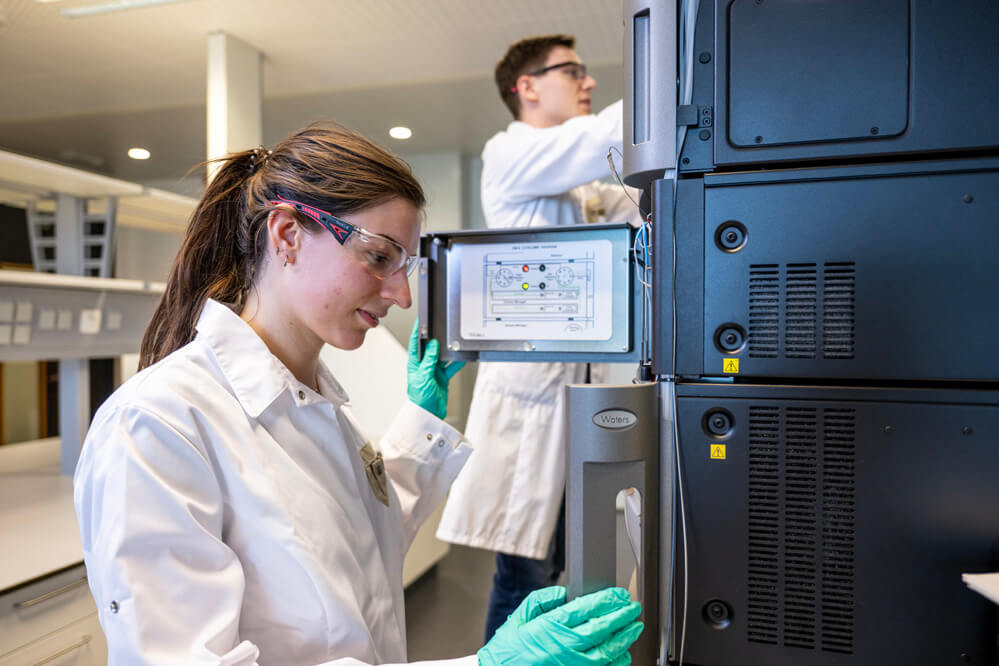
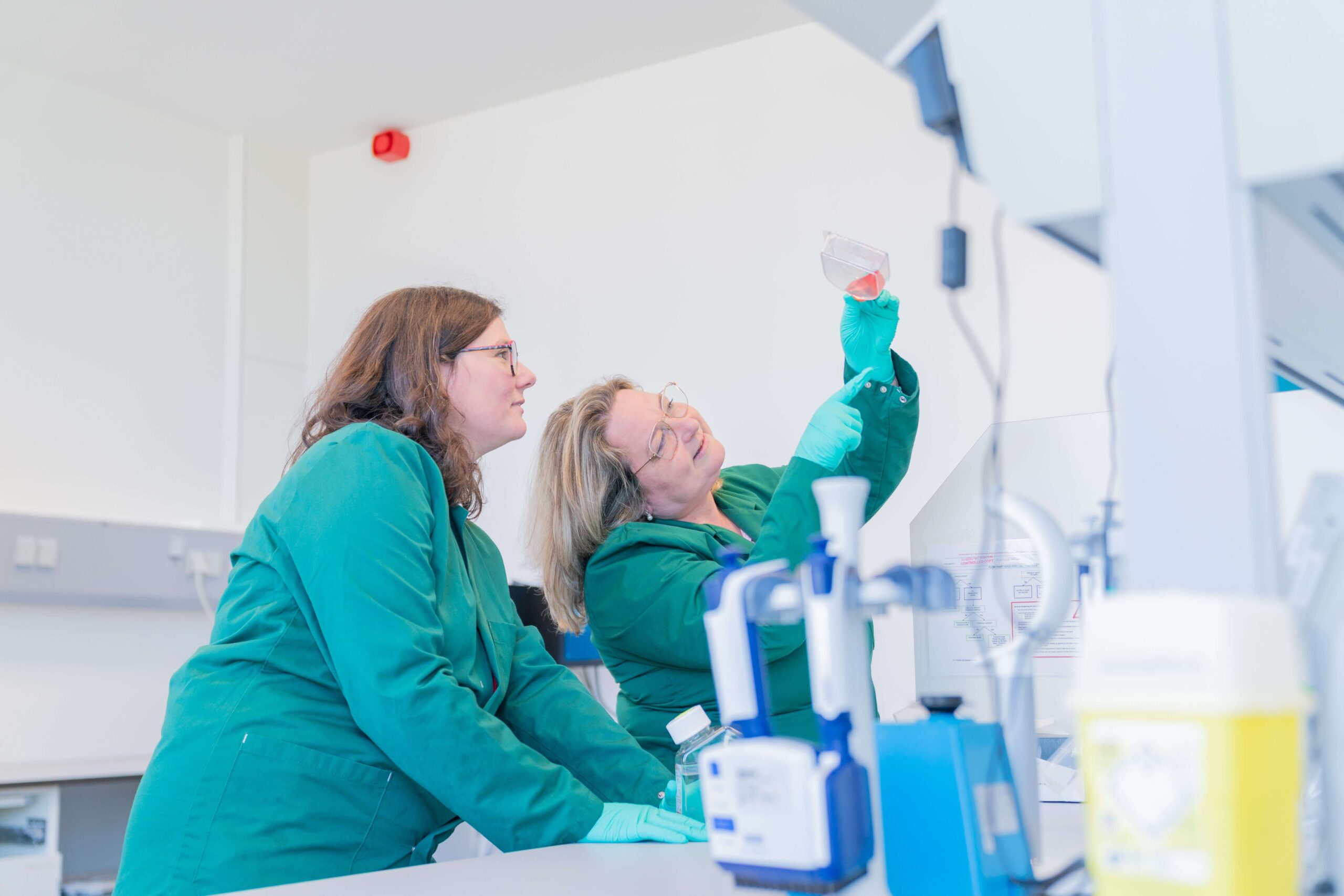
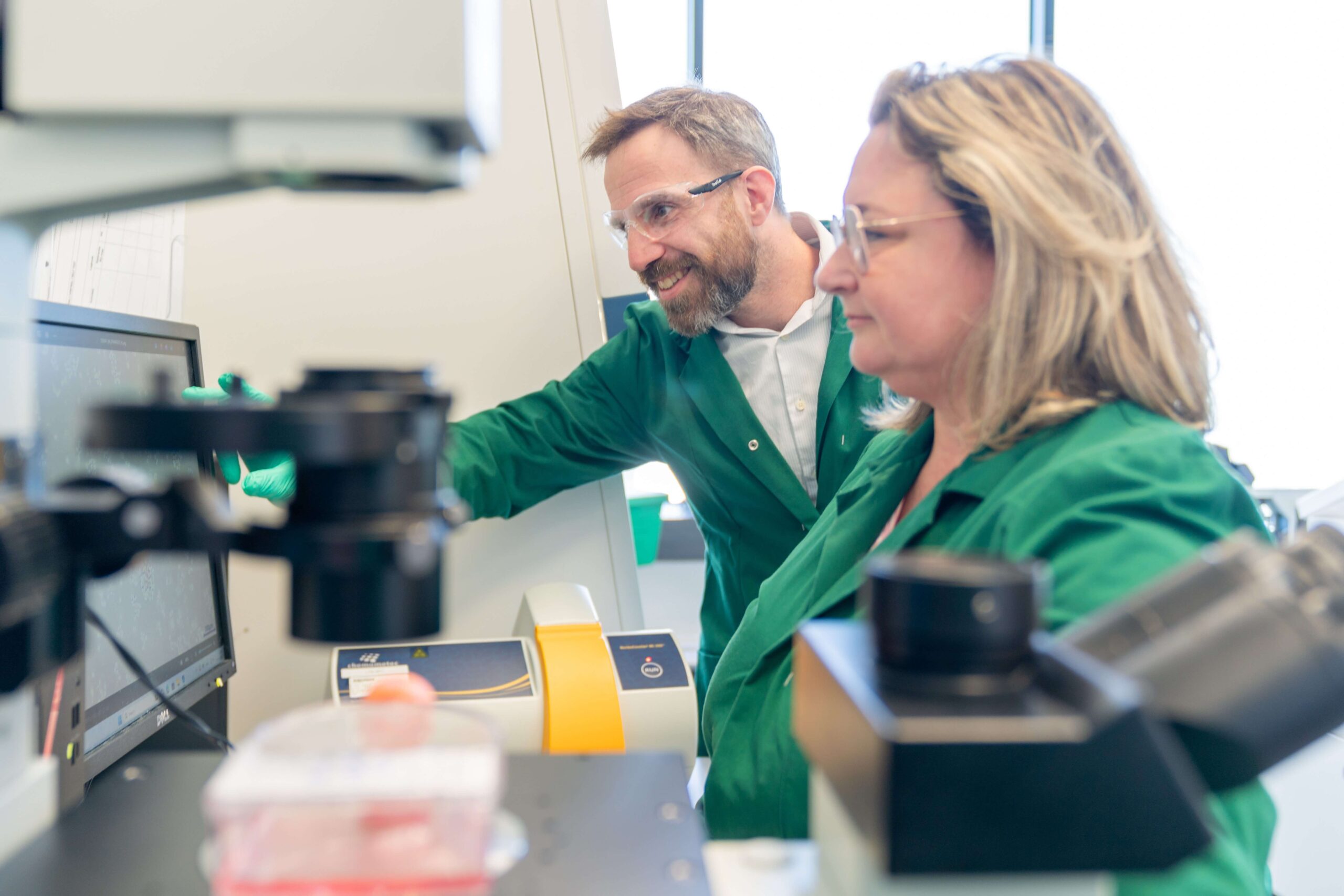
Venture studios often collaborate closely with universities and research institutes. They identify high-potential discoveries, help secure IP rights, design early de-risking experiments, and provide access to regulated lab facilities. For academic researchers, studios can act as operational co-founders, turning complex biomedical research into spin-out companies.
The typical process includes:
Sourcing and validating ideas from academia or internal scouting
De-risking and proof-of-concept through focused experiments and IP checks
Assembling technology and IP, including patents and licenses
Recruiting a founding team with scientific and business leadership
Incubating and product development in shared labs with expert support
Spinning out a standalone company with early funding and a defined cap table
Venture studios run targeted experiments to test mechanisms, validate biological hypotheses, and build minimal data packages before significant capital is committed. They stress-test IP, market need, and technical feasibility, cutting weaker projects early and concentrating resources on programs with strong scientific and commercial potential.
They usually provide access to certified laboratories, specialized equipment, experienced preclinical and clinical scientists, legal and IP support, business development, and operations. Many studios also offer in-house product management, marketing, and design teams that function as extensions of the founding team.
Founders benefit from reduced operational burden, access to high-end lab facilities, and a multidisciplinary team that covers science, business, legal, and regulatory aspects. This allows scientists to focus on research while the studio supports company building and strategic planning, often accelerating time to market and lowering risk.
Founders should review the studio’s leadership experience, track record of successful spin-outs, scientific depth in their therapeutic area, quality of lab facilities, access to clinical and industry networks, and clarity of equity and governance terms. Cultural fit and transparency are just as important as financial and technical resources.
Venture studios help define IP strategy early, including patent filings, licensing agreements with universities, and freedom-to-operate assessments. Centralizing IP work ensures that the new company owns or controls the rights it needs, which is critical for future partnerships, licensing deals, or acquisitions.
No. While many focus on therapeutics, venture studios can also build companies in diagnostics, platform technologies, digital health, and enabling tools. The common thread is that the project benefits from shared scientific infrastructure, structured de-risking, and integrated business support.
A venture studio can be a strong fit if you have a promising scientific idea or early data but lack the infrastructure, operational team, or capital to build a company alone. It’s particularly valuable when your project requires certified labs, complex regulatory planning, or cross-functional expertise that is hard to assemble as a lone founder.
Investors benefit from a pipeline of opportunities that have already been scientifically and operationally de-risked. Because studios apply a repeatable process and portfolio thinking, they can generate more structured, investment-ready companies compared to ad hoc spinouts and often with clearer governance and IP.
Switzerland
Phenyl – 2nd floor
Route de la Corniche 3
1066 Epalinges
