
There is rarely a clear path to market for early-stage biotech and medtech entrepreneurs. The development cycle is long, science is complex, and the regulatory environment can change. Even seasoned innovators face challenges in establishing proof-of-concept, developing early prototypes, and clinically testing their ideas. As noted, the “journey from concept to product launch can be difficult to fathom”, especially given the unique set of challenges involved in medical innovations. Biotech accelerators are in a position to make a pivotal difference due to their well-structured programs that offer mentorship, financing, infrastructure, and expert guidance during times of huge scientific and strategic uncertainty for founders. They help nurture promising ideas into investment-ready businesses, but not all accelerators are created equal. Not every startup is ready for one. Understanding how biotechnology accelerators work, why they matter, and what the checklist is for determining fit is important for every founder who seeks to build a life-science company on its way to clinical adoption and commercial validation. 1-3
A biotech accelerator, often used interchangeably with an incubator, is a systematic program that takes early-stage life-science firms from concepts to practical applications. While a biotech accelerator integrates scientific, regulatory, and clinical factors necessary in managing the high risk of innovation, general accelerators are more commercial growth-oriented programs. These programs bring together investors, scientists, doctors, infrastructure experts, and business mentors who are aware of the long and complex development process typical of life-science ventures. Accelerators and incubators offer lab space, prototyping environments, and infrastructural stability which would allow teams to do experimentation, test a variety of designs, and refine early scientific or engineering ideas. The programs operate with the goal being to validate the hypothesis of critical interest, traction-building, and investment and commercialization preparation. In the case of biotech and medtech especially, the length of time development lasts years to decades. This fact highlights the importance of accelerators and incubators, which can enable founders to reduce years of trial-and-error to months of guided, supported development. 1-3
Stringent regulations, coupled with intricate market dynamics and high capital requirements, hamper development and commercialization for life-science entrepreneurs. Biotech accelerators help founders overcome these challenges by offering targeted support and structured programs.
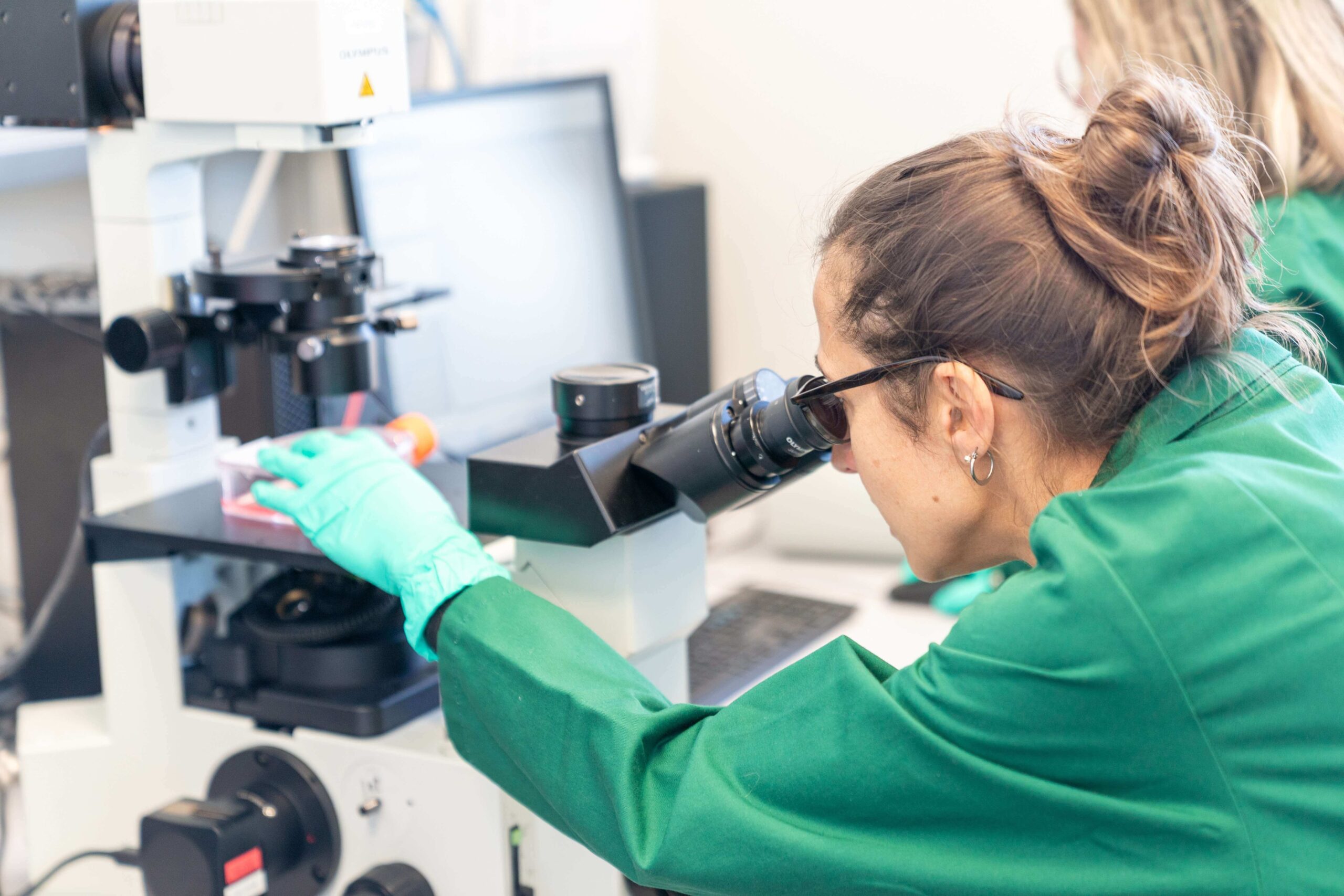
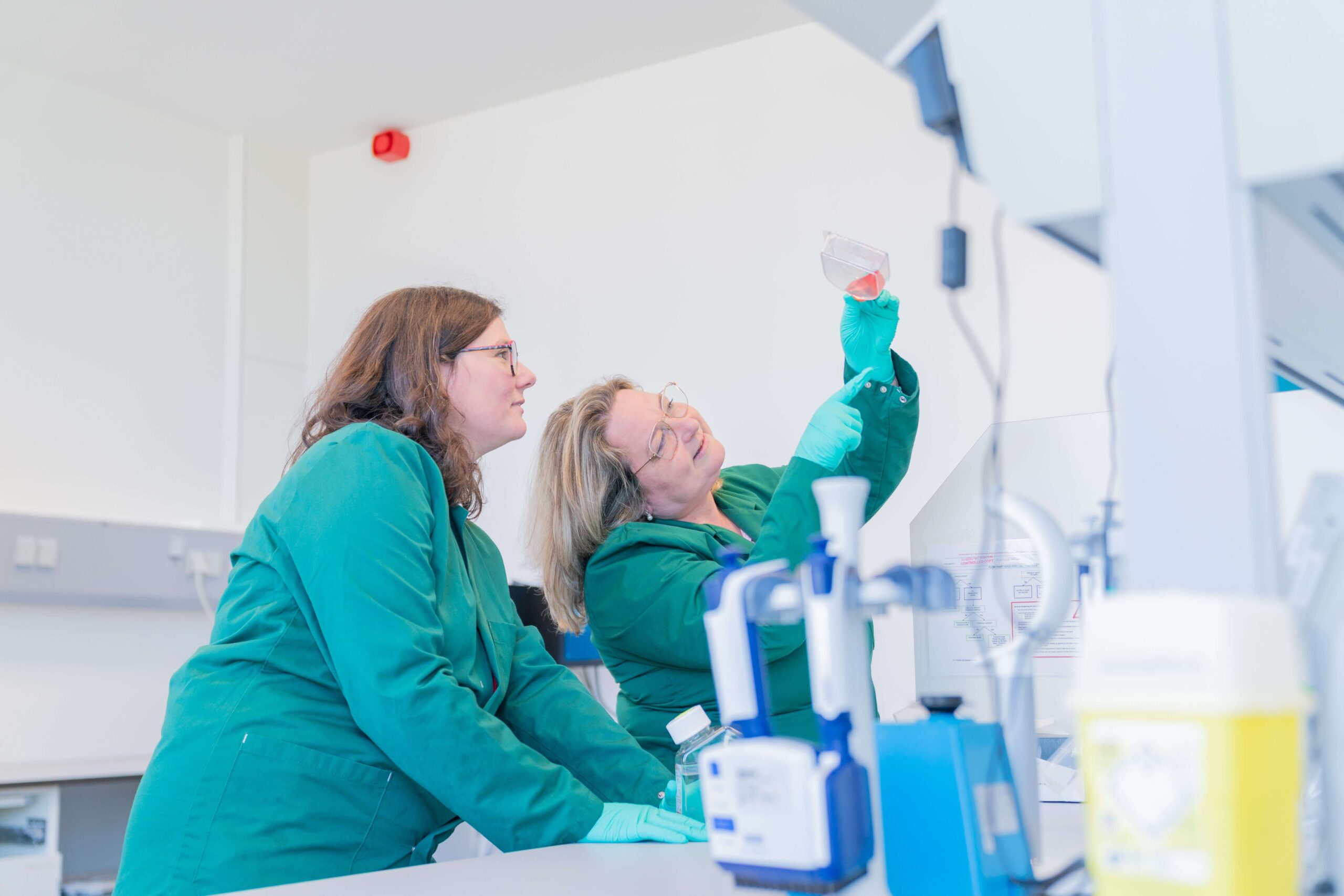
Biotech accelerators provide access to scientific and technical mentorship. Unlike generic startup accelerators, biotech programs bring in specialists who have experience working in the laboratory, clinical care, or in regulatory research. They enable entrepreneurs to evaluate data, create experiments, iterate on protocols, and interpret outcomes at the level of rigour that downstream validation will require. Clinical planning around medical devices and diagnostics is particularly challenging, device trials can be difficult to blind, randomize, or standardize, and published recommendations on medtech pathways reflect these complexities. Because technologies evolve rapidly, studies may need repeated re-validation. In this context, accelerators play a crucial role in helping startups generate research that regulators and clinicians can trust. 4-6
Funding is often the greatest constraint for young life-science companies. Founders may be expected to invest substantial capital in early experiments long before they have evidence to attract venture interest. The issue affects very early-stage founders in the medtech industry disproportionately, since investors willing to fund the medical devices or diagnostic technologies at such a young stage are exceedingly rare. Most of the funds available in various regions, such as in Europe, are very limited in terms of addressing seed-stage medical devices or diagnostic firms. Programs offer seed funding, introductions to investors, demo days, and visibility. Many provide non-dilutive grants, and some offer venture studios and other unique financing models. The significant follow-on funding of graduates from top-ranked accelerators reinforces that investing in accelerator programs can increase investor confidence.
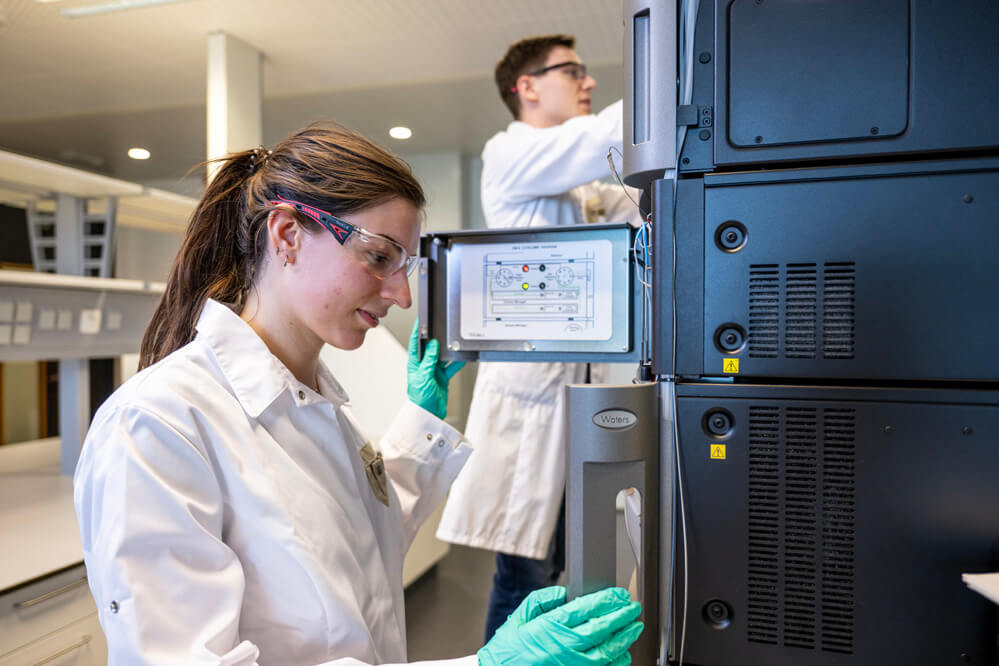
Access to laboratory infrastructure poses significant barriers for early-stage biotech firms, as constructing wet labs and acquiring specialized equipment are prohibitively expensive. The availability of the laboratory infrastructure is also a major challenge to early-stage biotech companies, with the cost of building wet laboratories and purchasing specialized machinery being prohibitive. Accelerators and incubators are instrumental in solving this issue by offering common work areas and required instrumentation, including environments that are compliant (such as BSL-2 or GMP). Top-tier programs ensure these environments are highly regulated and certified. Such shared infrastructure is necessary for scientific advancement, as it ensures data is generated to the standard required for clinical trials and commercialization. Different surveys report that resource access is one of the greatest scaling pain points of many early-stage founders. Government programs are, therefore, fostering the creation of shared facilities and life-science innovation parks.
Accelerators and incubators are powerful connectors. They offer founders networks that would otherwise take years to build scientific mentors, infrastructure experts, and product-development specialists, and, most importantly, investors. Structured programs, such as demo days, investor roundtables, and curated introductions, raise a startup’s visibility and help the founders build credibility early in their careers. Coordinated networks make sure companies can find clinical advisors, strategic partners, and potential funders at the right stage of their development. 6-8
As stated earlier, the terms “incubator” and “accelerator” are often used interchangeably in the life sciences, as both models serve to support companies on the extended pathway to innovation. These programs provide stability and infrastructure for your ideas. They are very well-suited for early discovery, exploratory inquiry, iterative prototyping, and gradual concept development. Most of them provide access to researchers, engineers, and domain specialists who help shape early concepts. Whether called an accelerator or an incubator, the program comes into play when a team has demonstrated early scientific validity and needs structured support for validation, market readiness, or finance. Programs are positioned in most national innovation frameworks to provide basic resources of laboratories, mentorships, and seed finance, while also concentrating their work on the development of validated concepts toward clinical review and health technology assessment. Most successful life-science enterprises have benefited from both: nurturing the early ideas and getting them ready for the big milestones. 2,3,9
The selection of an accelerator involves startups reviewing their scientific maturity, strategic goals, the type of technology, and financial requirements. The earlier teams enjoy the benefits of scientific guidance and access to laboratories, and the later firms must have access to certified lab infrastructure and investor networks. Medtech companies with greater Technology Readiness Levels (TRLs 7+) require dedicated services such as clinical validation and data support for regulatory submission, which are offered by some of the accelerators.
Moreover, it is essential to have quality mentorship and prioritize specialized areas, including oncology or digital health. It has been demonstrated that medtech firms work better in well-organized regional innovation systems that conform to their technical specializations.
The structure of funding is another factor to consider. Founders should be familiar with the conditions of non-dilutive funding and equity interests, the potential of follow-on funding, the introduction of investors, and the safeguarding of intellectual property (IP). It is noteworthy that high-quality clinical testing centers, such as European hospital living laboratories, usually guarantee that IP is retained by the firms, which is critical to negotiate with accelerator programs.
Last but not least, the power of the accelerator network and geographical location can significantly influence your path. Availability of universities, hospitals, certified labs, and industry partners dictate the speed at which a technology can undergo testing and be adopted. Countries like Germany, Switzerland, and France are classic examples of how the closeness to world-class institutions assists companies to obtain sound innovation systems that hasten the advancement towards market preparedness. Innovators in Belgium or other regions of Europe can find it very beneficial to choose an accelerator that is close to strategic partners to have a high likelihood of clinical proof-of-concept and commercialization. 1,2,4,5,9,10
Not all biotech accelerators or incubators are created equal, and whether one is right for any particular startup would depend on one’s scientific maturity, financial requirements, and need for certified infrastructure. A good accelerator will offer much more than just capital: mentorship, access to laboratory facilities, important networks, support in generating compliant data, and support in clinical validation. Accelerators and incubators are treated as unified models that power rapid progress toward the market. Carefully consider the accelerator’s competence in your domain, the quality of its network, its funding mechanism, the equity arrangements, and overall commitment toward helping a biotech or medtech business. 2,3
By nature, biotech innovation is complex, but you do not have to go at it alone. Refining your first prototype or preparing for a clinical study, biotech accelerators and incubators bring structure, expertise, and a supportive community. These programs represent a powerful pipeline that takes ideas from a scientific concept to real-world impact Whether you are considering your options for accelerators or incubators or would like support in developing a development strategy for your innovation, Discovery Studio can provide the appropriate support: sharpening your strategy, strengthening your evidence plan, and positioning your innovation to succeed.
Biotech accelerators and incubators help founders by offering scientific mentorship, access to specialized and certified laboratory infrastructure, support in designing research strategies, and generating compliant evidence. They also provide investor visibility and help strengthen the evidence package required for future funding.
A startup should consider an biotech accelerator once early scientific feasibility is demonstrated and the team needs structured support for validation, compliant testing, or investor engagement. If you have a clear concept but need faster progress toward clinical or commercial milestones, an accelerator can help shorten that journey.
Most biotech accelerators offer mentorship from domain experts, access to certified labs, prototyping support, and structured scientific planning. Many also provide seed funding, non-dilutive grant access, investor introductions, and networking with clinicians and industry partners.
Biotech accelerator programs vary depending on the level of scientific complexity and program structure. Some provide ongoing support even after graduation through alumni networks, investor follow-ups, and clinical or data generation guidance.
Many biotech accelerators offer seed capital, access to grants, or introductions to investors. Some work through equity-based models, while others support startups through non-dilutive funding or hybrid models such as venture studios. Funding availability varies widely across regions.
Founders should evaluate the accelerator’s scientific expertise, quality of mentorship, lab certification and capabilities, domain specialization, investor network, funding structure, and alumni outcomes. Location can also be critical proximity to hospitals, universities, and certified labs accelerates validation and adoption.
Yes. Many accelerators provide guidance for designing clinical pathways, preparing evidence plans, and ensuring data meets industry standards for diagnostics, therapeutics, and medical devices. Their structured programs help founders avoid costly errors early in development.
Absolutely. In fact, this is common in life sciences since these terms “incubator” and “accelerator” are often used interchangeably. Startups often utilize these programs for exploratory work and later for structured validation, funding preparation, and commercialization. Both models reinforce each other in the innovation journey.
Switzerland
Phenyl – 2nd floor
Route de la Corniche 3
1066 Epalinges
